How to Inspect a Used Car Before You Buy
Posted Thursday, Jul 24, 2025
AJC Auto’s Step-by-Step Guide to a Smarter Purchase
Buying a used car can be a smart financial decision—but only if you know what you’re looking at. A shiny exterior might hide mechanical issues, while a well-worded ad might gloss over real concerns. That’s why understanding how to inspect a used car is critical before you sign on the dotted line. At AJC Auto, we help South Florida drivers feel confident in their choices with a straightforward, reliable inspection process that anyone can follow.
Why a Proper Inspection Matters
Used cars often have a history. That doesn’t mean they’re unreliable—it just means you need to do your homework. Learning how to inspect a used car gives you insight into its condition, potential repairs, and real value. Even if a dealership or private seller promises everything is “like new,” it’s your responsibility to verify the details. Many issues that could cost thousands later—like oil leaks, worn brakes, or transmission trouble—can be detected with a simple visual and hands-on check before you commit.
Step-by-Step: How to Inspect a Used Car
The best inspections start before you even pop the hood. Begin with a full walk-around of the car. Check for mismatched paint, dents, rust spots, or uneven gaps between panels—these can all be signs of prior accidents or rushed repairs. Don’t forget to check that all doors, the trunk, and even the gas cap open and close smoothly. Bring a flashlight and inspection checklist so you don’t miss the details.
Once you finish your walk-around, check the tires. Uneven wear might indicate alignment issues or suspension problems. All tires should be the same brand and type and should have a healthy amount of tread left. While you’re at it, get down and look under the car. If you spot fresh drips, wet spots, or signs of rust, those could be red flags.
Exterior Red Flags and What They Mean
Body damage tells a story. At AJC Auto, our technicians are trained to notice even subtle signs of trouble. Bubbling paint near the wheel wells or lower doors may mean rust is starting to eat away at the frame. Discoloration or fogging in the headlights could point to age-related issues or water damage. While not all cosmetic flaws are dealbreakers, they can provide negotiating power—or a reason to walk away.
Make sure to check all lights, indicators, and mirrors for full functionality. A single broken taillight might seem like no big deal, but it could mean the car wasn’t maintained regularly. A fully functioning exterior gives you your first hint about how carefully the vehicle was owned.
What’s Under the Hood Matters Most
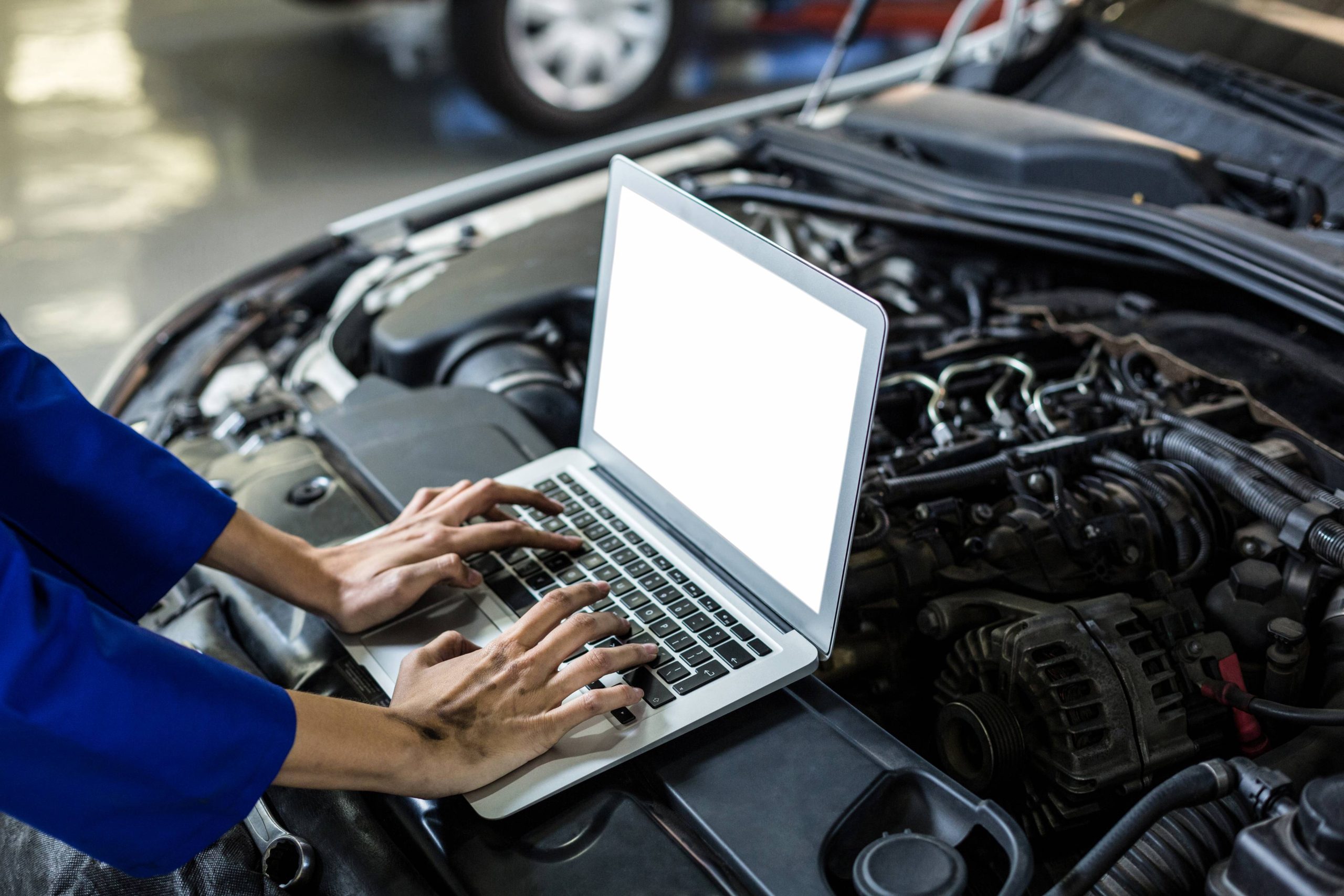
Now comes the heart of the inspection. Learning how to inspect a used car includes getting a good look at the engine bay. Open the hood and examine all visible hoses and belts—they should be free of cracks, excessive wear, or leaks. Pull the oil dipstick and check the color and consistency. Clean oil is amber in color. Milky oil can indicate coolant contamination—often a sign of a major engine problem.
Next, check the coolant and transmission fluids (if possible). Both should be clean, not cloudy or burned-smelling. Look at the battery—are the terminals corroded? Is the battery securely fastened? A neglected battery could leave you stranded sooner than you think.
Interior and Test Drive: How It Feels Matters, Too
Once you’ve inspected the outside and under the hood, it’s time to step inside. Turn on the car and check for warning lights on the dashboard. Listen for odd sounds as the engine starts. Test all electronics—windows, AC, radio, infotainment systems, and power seats. Make sure the upholstery is in good condition and that there are no damp or musty smells, which could signal water damage.
Now comes the test drive. This is one of the most crucial parts of learning how to inspect a used car. Pay close attention to how the vehicle handles. Does it pull to one side? Does the transmission shift smoothly? Are the brakes responsive and quiet? Try to drive at both city and highway speeds. Listen for clicking, grinding, or whining noises, especially when turning or braking. If anything feels off, trust your instincts—or ask for a second opinion.
Common Mistakes to Avoid
A few minutes of research and inspection can save you from buying a lemon, but some buyers still make common mistakes. First, never rush. Take your time inspecting the vehicle in daylight, not under dealership floodlights. Don’t skip the vehicle history report. Sites like Carfax or AutoCheck can give you accident and ownership history that sellers may not disclose. And lastly, don’t be afraid to bring a mechanic or trusted friend along. At AJC Auto, we encourage transparency. We’ll even walk you through our own checklist so you understand exactly what you're buying.
Why Choose AJC Auto?
At AJC Auto, our goal isn’t just to sell you a car—it’s to help you make a smart, informed purchase. Every vehicle on our lot is pre-inspected and reconditioned for quality, but we still recommend doing your own walk-through. When you visit our Boynton Beach location, our team walks you through each step of the process. We’ll answer questions, show you the vehicle history, and give you the space and information you need to decide. From first-time buyers to seasoned shoppers, customers trust AJC Auto for transparency, quality, and service.
Final Thoughts: Inspect Before You Invest
Buying a used car doesn’t have to be a gamble. When you know how to inspect a used car, you protect yourself, your wallet, and your peace of mind. Whether you’re buying from a dealership or a private seller, these steps can help you avoid surprises and drive away with confidence. At AJC Auto, we’re always here to help you make smart choices—before, during, and after your purchase.